
Login
NEW CUSTOMERS
By creating an account with our store, you will be able to move through the checkout process faster, store multiple shipping addresses, view and track your orders in your account and more.
CREATE AN ACCOUNTSEARCH
Shopping cart




And why not?
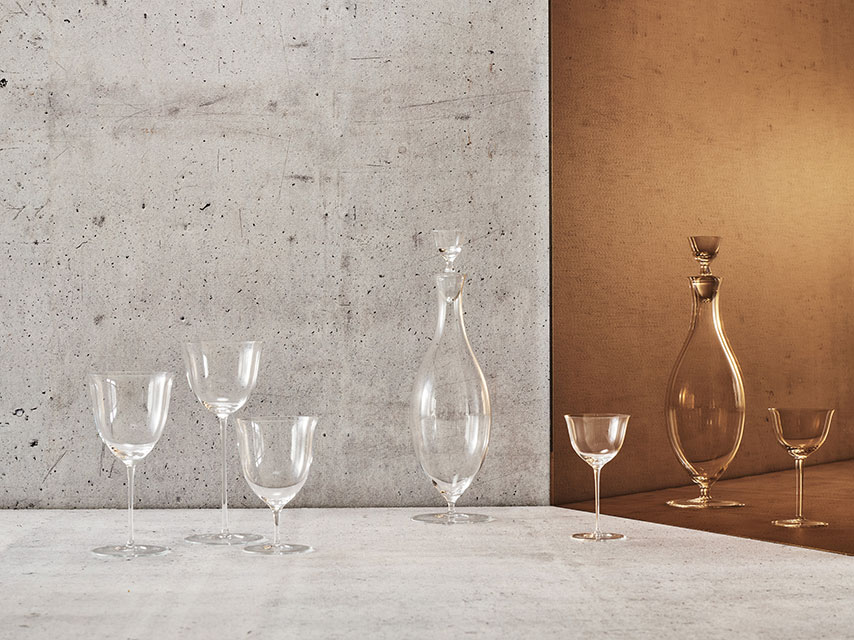
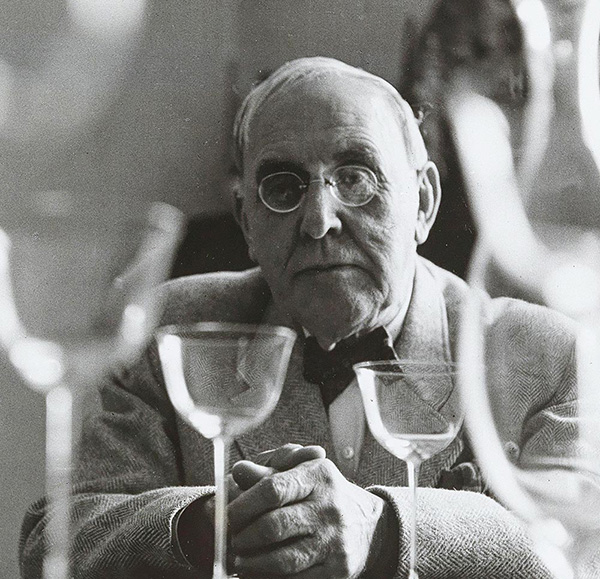
‘Triennale’ drinking glass designed by Wolfgang von Wersin, produced by Lobmeyr, Austria.
Designed for a Triennale presentation in Milan, this massive masterwork is entirely hand cut and hand polished.
#Repost @murray_moss
#lobmeyrwersin


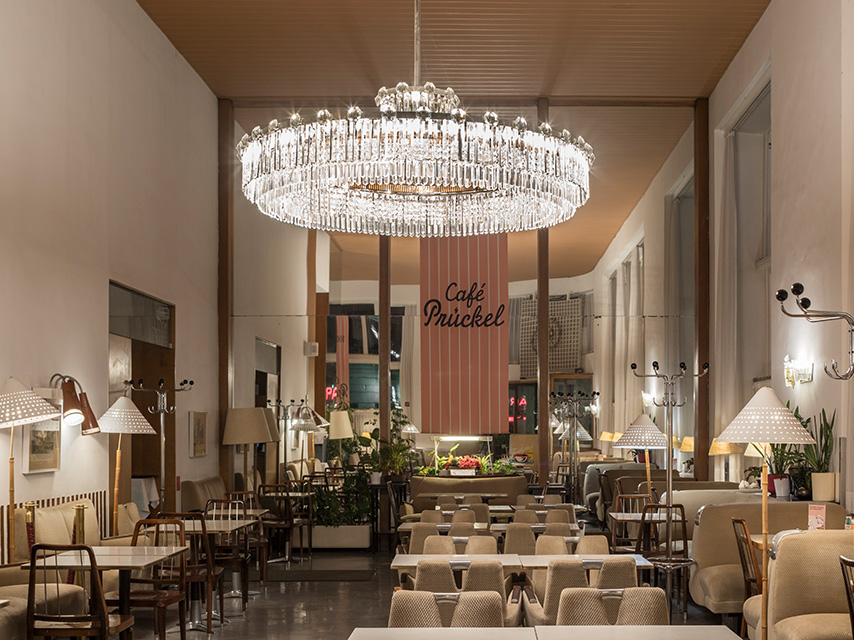
One evening in February we had the honour of hosting a dinner covered by The New York Times’s @tmagazine. A week after our reopening, @frederikbillebrahe decided to dedicate an evening to friends, family and collaborators who helped him pull off the transformation of Apollo Bar. We would like to thank @giselaatlarge for writing the story about our shifting of focus and the thoughts behind it all. About the changes and choices of the food we serve, the drinks, the décor, the music and the conversation that took place on the night of the dinner.
We are incredibly proud of the recognition from The New York Times and grateful for the people who helped us get here.
Read the full article via link in bio
Photographer @charlottefuente
#Repost @apollo_bar
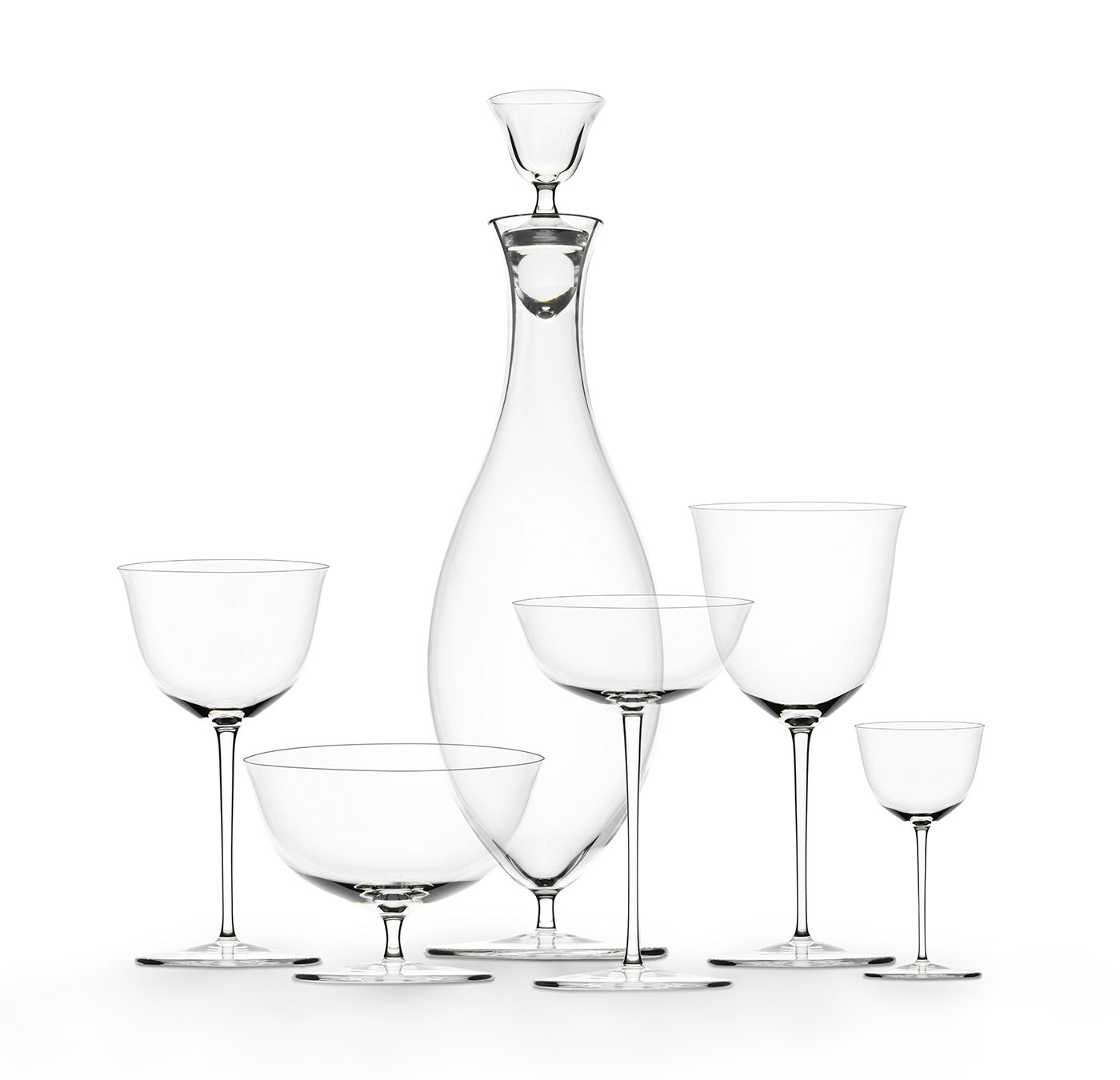
enjoy #lobmeyrballerina

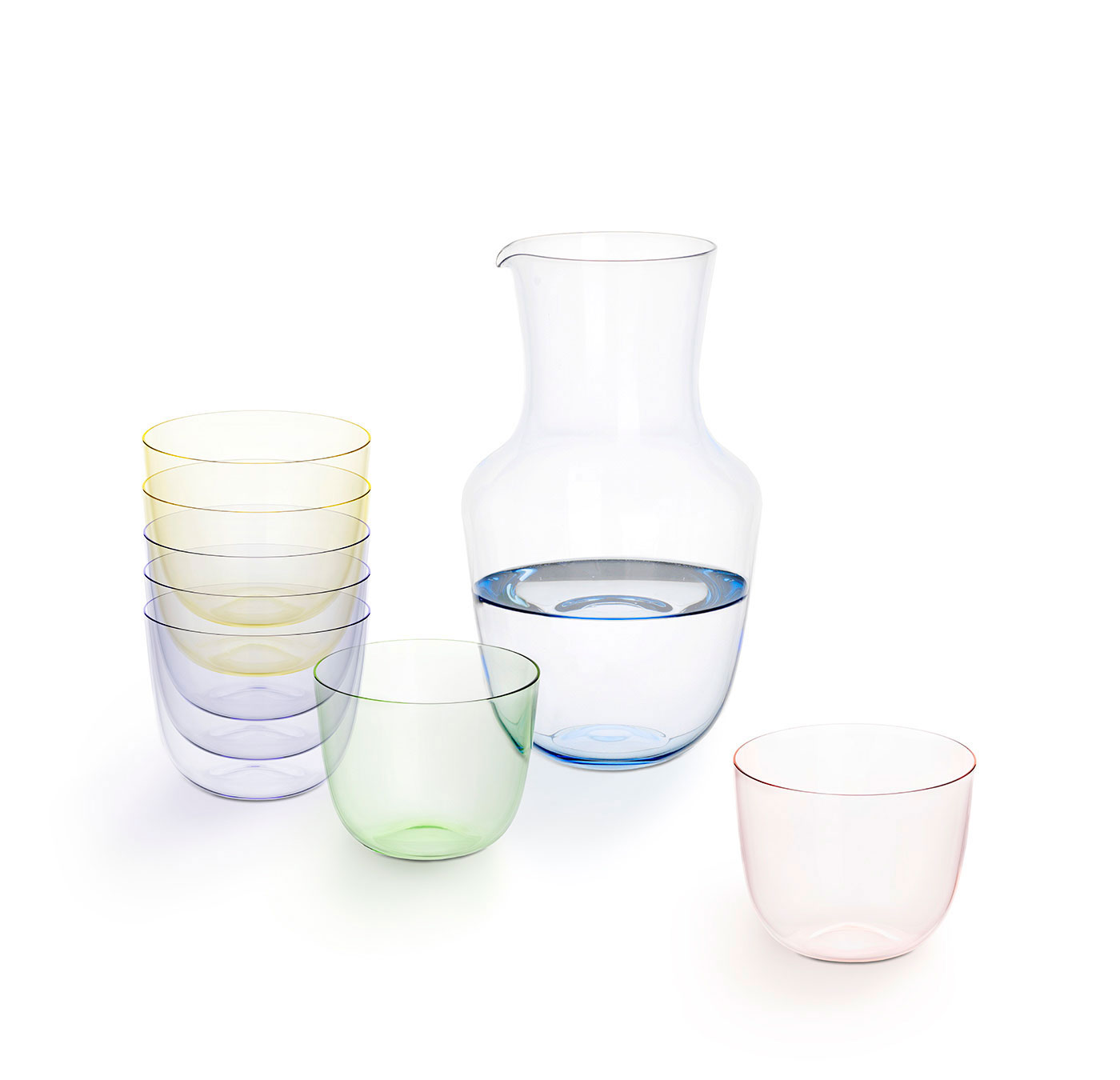
Elevating the gesture of drinking water
The glasses by Aldo Bakker have exceptionally thin bodies that demand a gentle touch. Each one has a slightly different character, asking for a unique way to be held.
Attending to these slight & subtle differences becomes a daily practice; a performance in the art of living; elevating the gesture of drinking water.
#Repost @stessw
Reigen Crystal by @aldobakkerstudio for @lobmeyr
Photography by @lucasmarcusschilder
#lobmeyrreigen
#AldoBakker #glass #dailyritual #artofliving #performance #elevatingsimplegestures
